Be yourself; Everyone else is already taken.
— Oscar Wilde.
This is the first post on my new blog. I’m just getting this new blog going, so stay tuned for more. Subscribe below to get notified when I post new updates.
Be yourself; Everyone else is already taken.
— Oscar Wilde.
This is the first post on my new blog. I’m just getting this new blog going, so stay tuned for more. Subscribe below to get notified when I post new updates.
Early childhood development is a stage in life wherein kids continue to grow gradually and develop in various ways – physically, socially, emotionally, cognitively, and in terms of language and literacy. Good preschool will make sure that your kid will develop in these areas in the best way possible.
Physical development
Developing physically involves how a child moves his hand and fingers involving minor motor skills, and arms and legs involving larger motor skills. The teacher at the Preschool in Vadodara would assist your kid in learning all those skills by properly engaging them in all types of physical activities. Kids could get to be playful and active when they are in the preschool.
Emotional development
Early childhood is that age when your child will develop emotionally a lot too. He/she will start understanding his own feelings and also the feelings to other people around them. The teachers at the Best Preschool in Vadodara will always strive to help your kid to recognize their feelings and behaviors and better manage the same.
Social development
With proper development of social skills, your child will be able to get along with others better. Teachers and caretakers at preschool in Vadodara will work with the kids on working with each other and respecting one another. Through constant learning, coordination and playing together, your kid will build necessary social skills, language skills, as well as self-control.
A child must learn certain skills before he/she starts attending school or any structured educational program. The skills being addressed here are ones that would help them take care of oneself, be more self-reliant and self-dependent, and take care of basic age-appropriate tasks. Such basic self-care or adaptive skills include practicing hygiene, getting oneself dressed and practicing self-feeding as well as helping other with chores. Toddlers and young children are eager learners, and this makes it all the more important for parents and teacher to take advantage of their curiosity and eagerness to learn by encouraging child to practice these adaptive skills:
• Practice basic hygiene. Young kids need to be able to practice basic hygiene before they start attending preschool or primary school Vadodara. Basic hygiene practices include potty-training, washing hands after using toilet, etc. At home, parents should start potty-training their child, and teach them to take bath themselves and to brush their own teeth. A great way of practicing hygiene skills is pretend play.
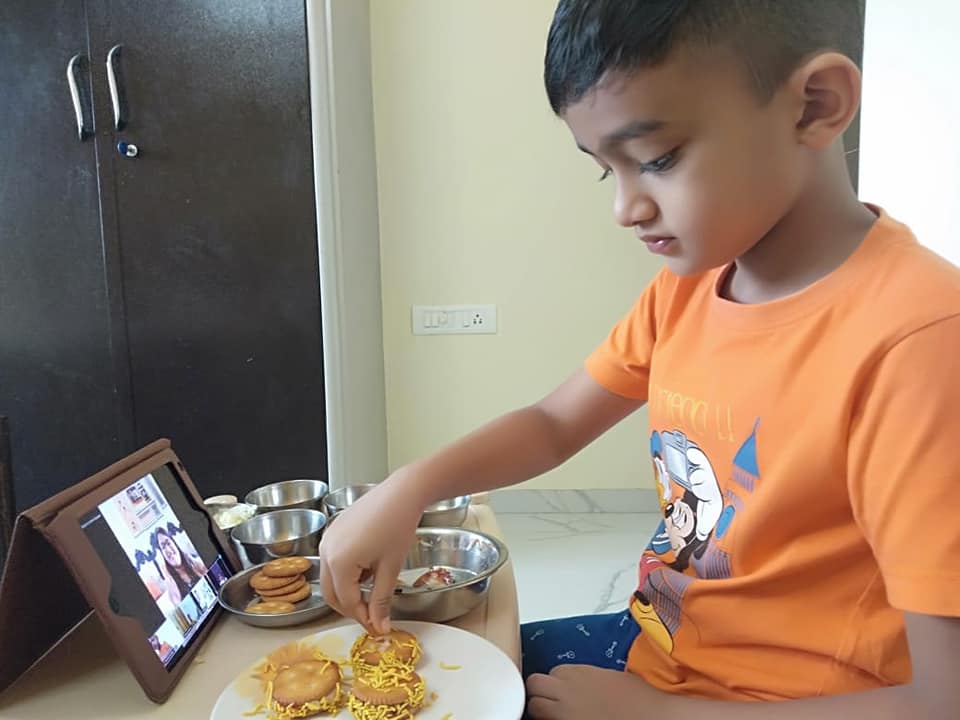
• Practice self-feeding. While it may not be possible for kids to be completely self-dependent and learn to feed themselves perfectly, it is important to nurture self-feeding habits from an early age. The teachers and caretakers at the nursery school in Vadodara will surely help and assist your child in developing these skills.
• Practice Dressing. Preschools often have a dedicated dress up time, which is more of a pretend play. However, it could serve as a really good tool to help kids develop self-care skills.
When your child is still in preschool, it could be particularly difficult to manage and handle them as they tend to throw tantrums every now and then. When they need your attention, they’d do unique things in order to get your attention. And when these attention-grabbing methods tend to go unobserved by parents then it often leads to the habit of throwing tantrums.
Here are a few ways suggested by the teacher at the primary school Vadodara, of preventing your child from throwing tantrums:
• Set clear rules. At times, just commanding your little one to do something is not the best way and it may not even work always. That is why parents should focus more on setting a clear set of rules from the start – in such a way that he/she is able to understand those rules well.
• Try and understand your child. There are many instances when kids may misbehave simple because he/she isn’t able to understand or comprehend certain things you said or did, suggests a caregiver at the kindergarten in Vadodara. In these situations, Parents must try to understand their child.
• Consequences. When parents make some rules, they need to make it very clear to their child. The child should be able. To understand what the consequences would be if they broke a certain rule. However, parents must also make sure that the consequences are not too harsh for their child as it may have a negative impact on the child psychologically. It is also important to set rewards for them as well for the times when they behave appropriately.
Your toddler, like other toddlers that age, is curious – and this is great really, because his/her curiosity is fueling learning. However, it is also crucial to protect your little one as he/she explores the surrounding environment in order to prevent injury. In a typical home, there are numerous danger zones, and here are some solutions to protect your toddler from those.
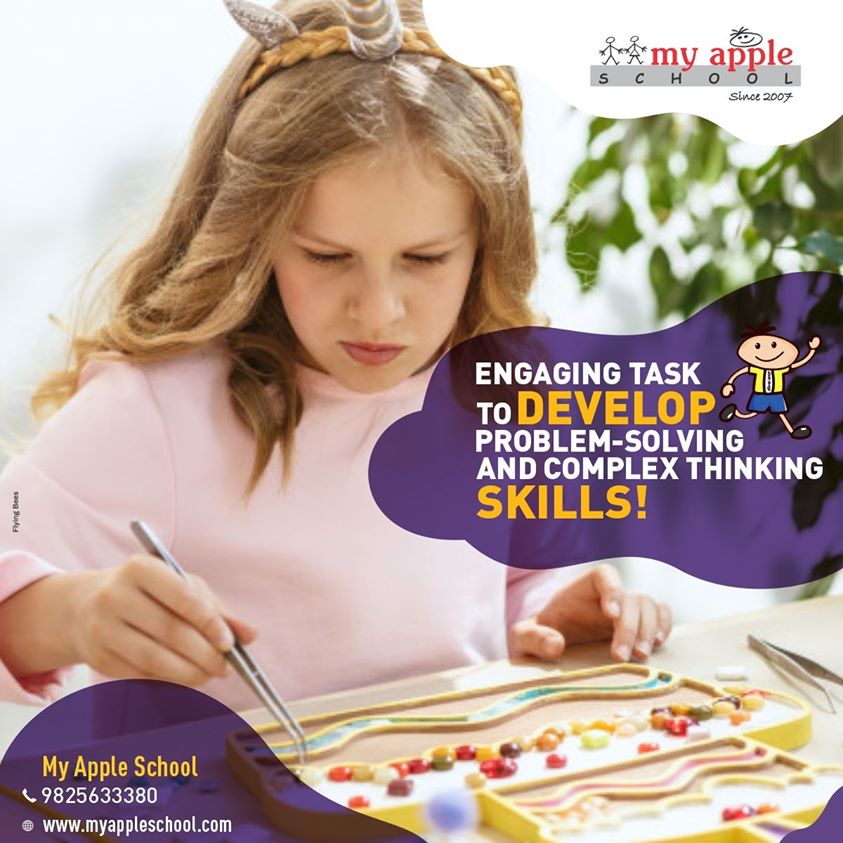
The toilet, for instance, with the few inches of water that it has, presents a critical safety issue for toddlers. To protect kids from drowning, make sure that you have put a latch on toilet seats, suggests a caretaker at the play school in Manjalpur Vadodara, and ensure that the seats are kept closed. In the living room, check cushions of sofas, armchairs, and recliners frequently to find any change or other choking hazard that your little one can find. It is especially important to look for choking hazards after guests leave the house. In the kitchen, the refrigerator magnet presents choking hazard too when they are within reach. So, either make sure to avoid such magnets, or atleast ensure that they are out of reach of the toddlers.
Other safety issues for toddlers exists around scalding & burning. For instance, ensure that you have smoke alarms installed on each floor of the home, including near rooms where you and your family members sleep. The caretaker at the primary school Vadodara suggests that you test the alarms monthly and also make sure to use the long-life batteries in these.
All parents would want their child to enjoy successes in school, and the best way that parents can make this happen is through fostering a joy and fun of learning.
Fostering the joy of learning and bolstering your kid’s self-esteem and confidence is a great way of creating a foundation for academic success.
When parents have positive attitudes towards school and learning, the children would develop similar attitudes as well, suggests a teacher at the play school in Manjalpur Vadodara. And when parents share their own love of education, perhaps by taking along their kids to museums, libraries, etc., it would help their child succeed academically even further.
Here are few ways to help your child excel in elementary school:
Focus on the language skills
There’s a study that focused on the kindergarten readiness, and this study concluded that the language skills are really vital for social interaction, academics, and much more. Therefore, if you help your kid bolster his/her language skill, you would notice the benefits in various other areas of your kid’s education too, suggests a teacher at the kindergarten in Vadodara.
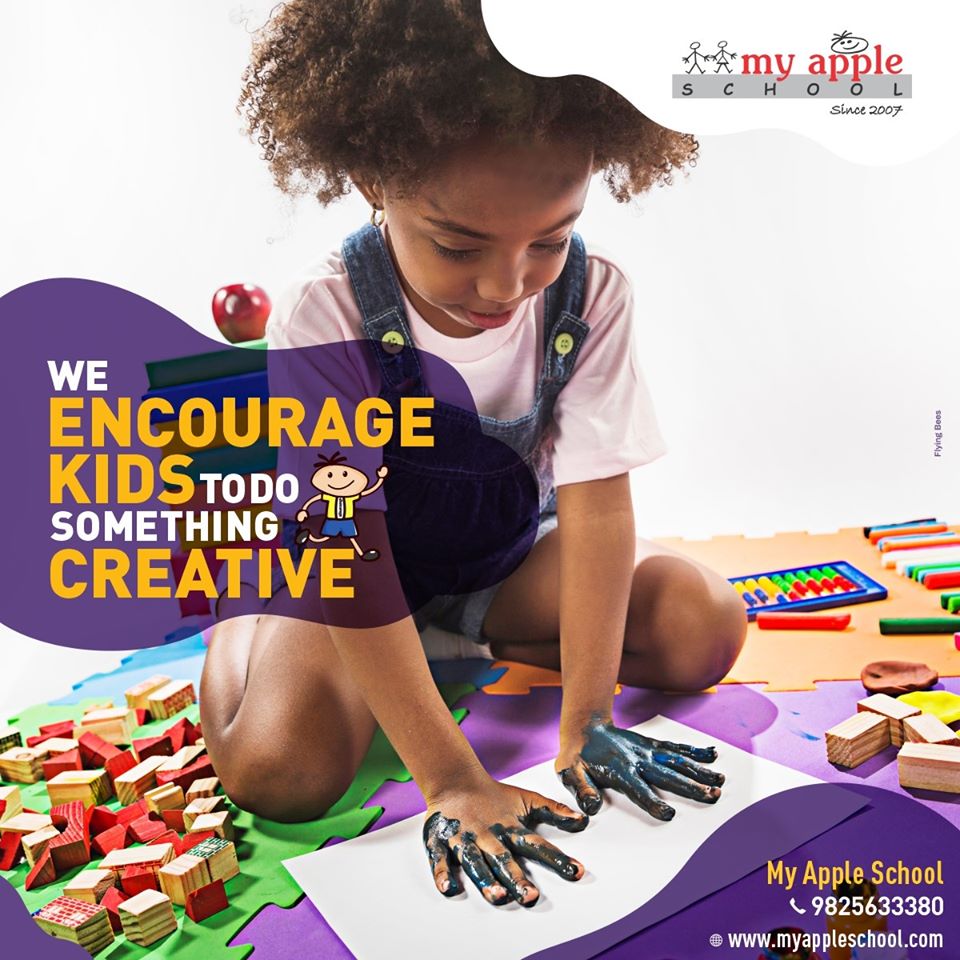
Nuts & Bolts Suggestions
It is really crucial for parents to participate in the parent-teacher events and conferences, in order to help kids to succeed in elementary school. this starts with more informal back-to-school night where the parents might learn more about the school policies, meet the teacher, and tour the classroom.
For some kids, organization skills might come fairly naturally, and for others, it could be a real challenge. So, helping your child develop organizational skills shouldn’t be overlooked.
While it might be hard to even imagine your toddler as an adult, that day would surely come, and when that day comes, you would definitely want your child to be able to make right choices and also manage their daily life independently. And the way that parents can help make it happen, as a caregiver at the best preschool in Vadodara suggested, is to letting go, slowly, of the things that you do for your young child, all the while keeping a safety net of limits and family rules firmly in place. It would take both “guts and wisdom” to know just how to make the same happen.
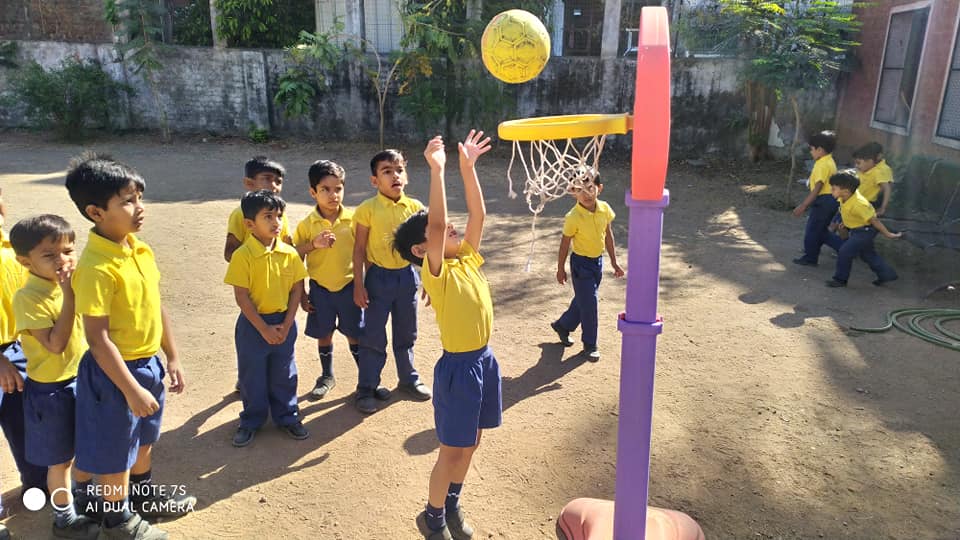
When parents keep doing simple tasks for their kid rather than teaching him/her how to do the same themselves, parents are indicating that kids don’t really have the confidence in his/her abilities. This could lead to children who lack self-esteem, self-dependence, and problem-solving skills – they simply couldn’t or wouldn’t do the age-appropriate tasks themselves.
Here are a few ways to help parents encourage more independence in their young kids:
Identify opportunities and further prioritize them
Firstly, make a short list of things that your kid can do without your help or assistance. Then ask your child which tasks he/she feels “too big to take on.” Then prioritize these tasks and transfer responsibilities of such tasks gradually to your child, so that he/she don’t feel overwhelmed.
Make enough time
If you would be having your young child take on tasks of hair-brushing and it is estimated that it would take about 10 minutes, suggests a caregiver at the preschool in Vadodara, then make sure that your kid starts getting ready for morning ten minutes earlier than he/she did before.
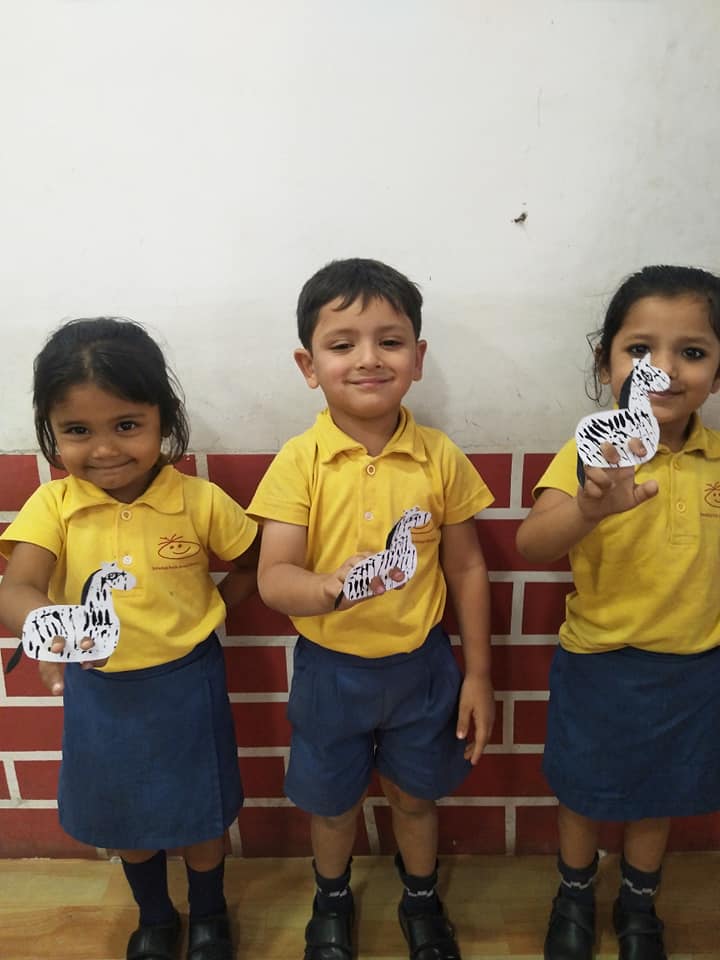
As kids head to kindergarten or primary school, they begin this important academic year with different kind of experiences as well as differing degree of development and growth in various aspects of life and learning. In order to help the teachers to understand better where different kids are in their own unique social and learning experiences, early learning assessments play an important role.
Early learning assessment is used by much primary school Vadodara, preschools and kindergarten to support ad improve the development and growth of kids. The areas that are measured, of the kids’ development and growth by the assessment tools include the following:
Teachers would use a process of close observation and documentation in order to conduct the early childhood assessments. In other words, it wouldn’t involve the kids sitting down to participate in formal sit-down assessments or answer test questions. Instead, the teachers at the play school in Vadodara would watch to observe how each kid interacts as well as performs as natural part of their day.
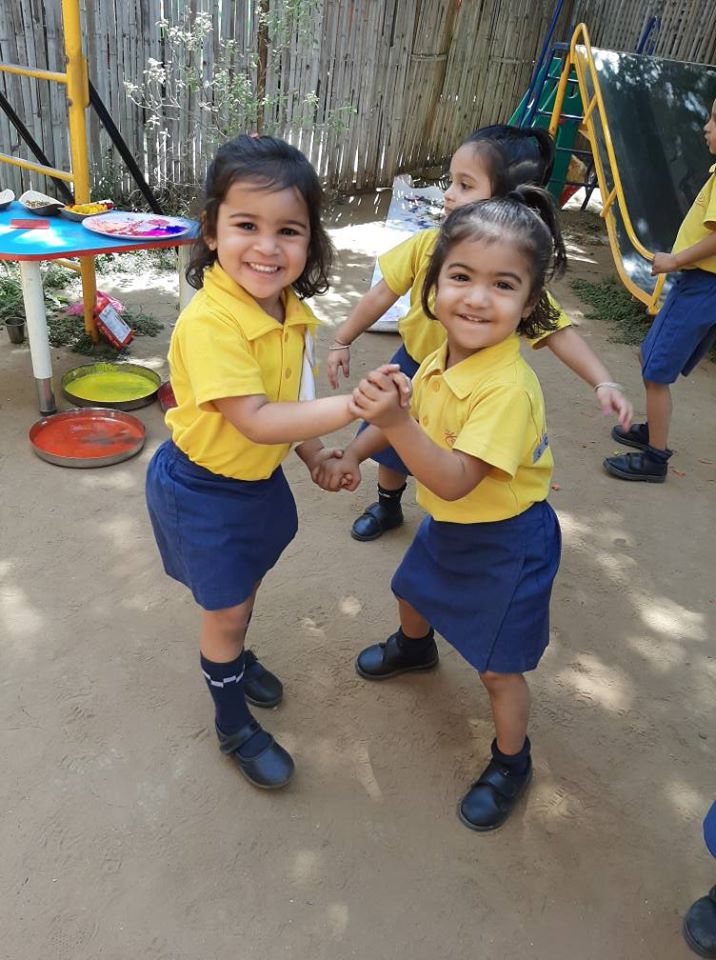
It’s a continuous process, since the teachers would observe the growth of individual kids’ learning and use the things that they discover to better understand how they could help that kid to continue to better learn in more effective ways. Parents and teachers would then sit down privately to review the finding and further discuss how the parents could continue supporting their kid’s development.
While parking your little one in front of a TV screen or Tablet is swift and easy way to entertain them, it surely isn’t the most productive one for them. There are many other ways parents can keep their kids busy.
A parent can’t dedicate each and every minute of their day spending time with their kids, as they may have to take care of their job or household chores. It is hard to come up with other things to keep your child distracted for long enough to accomplish their tasks.
But there are options. Here are some things, suggested by the teacher at a Kindergarten in Vadodara, that parents can do to keep their kids busy:
Create Game Box
Parents can fill a box with things that their child could play with, even when they are alone – things such as playing cards, easy puzzles, jigsaw puzzles, and coloring books. Parents may give their child this box when they need to keep them busy. At first, they might resist, but with consistency and persistence, kids will accept the game box as a part of their regular routine.
Let your kid help you
If parents are busy cleaning or cooking, they may let their kids help them, suggests a teacher at the nursery school in Vadodara. Parents may give their kids a job that they could handle. For instance, parent may ask their kids to string the beans or perhaps set the dining table. This way, you can carry on with your task, while keeping the kids busy.
Kids enjoy when they get to spend some quality time with parents. Though it could be understood that parents may be quite occupied at times with many things, it isn’t that difficult to take some time for your child. Here are a few ways parents can spend quality time with their kids:
Morning time: One of the best times to spend some quality time with your kid is the time before your kids get ready for school. Parents could indulge in some interesting conversation with their kids to prepare them for the school. It could help cheer your kid up and grow even closer to you.
Dropping your kid to school: You could talk and spend some time with your child while dropping them off at the preschool in Vadodara or their school.
Mealtime: Kids feel really good when entire family gets together for meals. Some healthy food with some healthy family interaction could be great for children. A really great place to spend quality time with your child and family.
Play time: You can spend some time playing board games such as Ludo, Carrom, or Snakes & Ladder with your child. Other interesting games encourage learning as well as stimulate children to think. The whole family can get together and play some indoor and outdoor games in order to create some great memories.
Bedtime: Another best time to spend time with your kid is by sharing some bedtime stories with your child, suggests the teacher at the primary school Vadodara
Have a WordPress.com account? Log in now.